
For many young Ghanaians, the idea of a “soft life” has become the aspiration: comfort, enjoyment, and visible success. But the more difficult question is: are we building wealth or simply projecting it?
What Does “Soft Life” Really Mean?
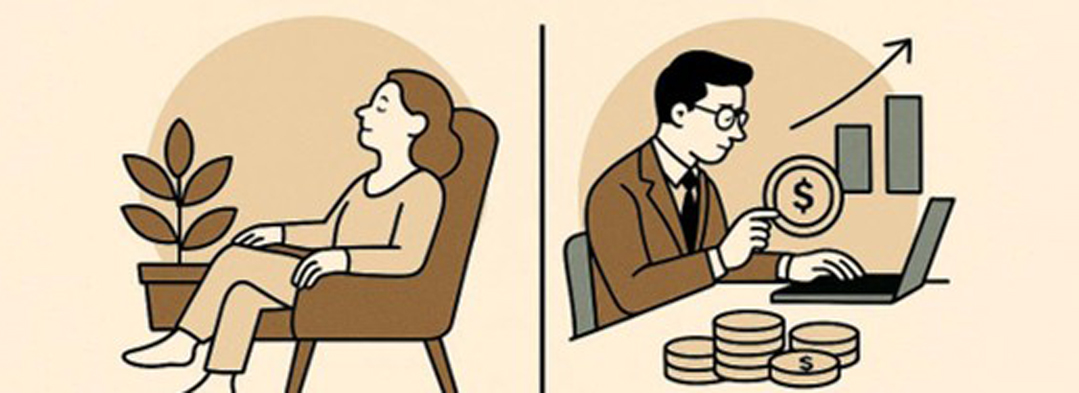
Soft life, in simple terms, is about choosing ease over constant struggle. It reflects a desire for comfort, flexibility, and enjoyment without the level of stress that previous generations often endured while working relentlessly. In many ways, it’s understandable that young people want something different. However, in recent years, social media has reshaped the meaning of soft life, shifting the focus from financial freedom to visible consumption. The key difference is this: one is sustained by assets, while the other is funded by income.
Why is This a Problem?
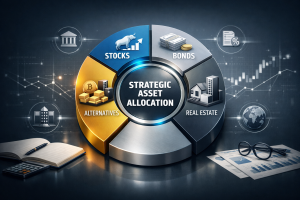
The earning potential of young professionals has increased significantly compared to previous generations. However, many are still missing key elements of sustainable wealth building, including Equity investments, Fixed income instruments, Diversified Portfolios and Long-term planning.
The common pattern is to increase income and scale up spending alongside it, while becoming less consistent with savings and, in turn, delaying investments. In practice, lifestyle upgrades come first, and assets come later, if at all. Over time, investing becomes an afterthought, and for many people, “later” never actually arrives.
So, what’s the solution to the pitfalls of chasing a soft life? The answer lies in aiming for a smart life instead.
What Exactly is a Smart Life?
In short, it’s the less glamorous choice: the unpopular path. It looks like investing before upgrading your car, buying treasury bills before changing your gadgets to the latest release, building an emergency fund before planning the next trip or saying, “not yet” when everyone else is saying “why not?”.
However, it’s not about giving up everything or enduring constant hardship. It’s about finding balance, because a soft life without assets is ultimately unsustainable.
Ghana’s Reality and Why This Conversation Matters
Ghana’s economic environment is dynamic, shaped by currency fluctuations, inflation swings, and global market shifts, all of which affect purchasing power more than many young people realize. Simply holding cash is not enough. Building assets through structured investments and diversified portfolios provides real protection. While consumption is visible in real time, compounding, which truly changes lives, remains unseen. Social media amplifies displays of wealth but rarely shows investment statements, asset allocation choices, compound growth, or long-term planning.
So, What Does Balance Look Like?
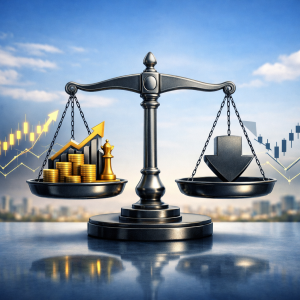
Balance is not about rejecting a soft life or enjoyment entirely. It is about funding enjoyment intelligently and diligently. You can still relish Friday nights while consistently building your portfolio. A balanced young professional might invest 20–30% of income before lifestyle upgrades, diversify between fixed income and equities, hold assets in both cedis and foreign currency exposure and build medium-term and long-term strategies.
Ten years from now, today’s choices will have compounded. Will you be funding your lifestyle from your salary or from assets working for you? Soft life offers temporary comfort, but smart life provides sustainable freedom.
The Real Flex Is Not What You Post, But What You Own.
——————————————————————————————————————————————————————————————————————————-
The information contained in this blog is being provided for educational purposes only and does not constitute a recommendation from any Bora Capital Advisors entity to the recipient. Bora Capital Advisors is not providing any financial, economic, legal, investment, accounting, or tax advice through this blog to its recipient.
This report reflects the views and opinions of Bora Capital Advisors Ltd, and is provided for information purposes only. Although the information provided in the market review and outlook section is, to the best of our knowledge and belief correct, Bora Capital Advisors Ltd, its directors, employees and related parties accept no liability or responsibility for any loss, damage, claim or expense suffered or incurred by any party as a result of reliance on the information provided and opinions expressed in this report, except as required by law. The portfolio performance data represented in this report represents past performance and does not guarantee future performance or results.