

In recent times, the Financial Independence, Retire Early (FIRE) movement has gained significant global traction. Popularized in the 1990s by Joe Dominguez, a former Wall Street analyst who retired at 31 and co-author Vicki Robin through their book, “Your Money or Your Life”, FIRE encourages individuals to live frugally, save aggressively, and invest wisely to retire decades earlier than usual.
At its core, the movement the redefines money as a tool to reclaim time and enjoy the freedom that comes with early retirement. Most often the current benchmark amount for retiring is 25 times your annual income, however, this may differ based on individual preferences. While this idea of early retirement seems incredible, one must be mindful of the economic and cultural context of their country in order to ensure effective implementation. Ghana for example poses unique threats and opportunities that may affect one’s aim of pursuing FIRE and understanding these nuances is critical for a smooth implementation of FIRE.
BARRIERS TO FIRE IN GHANA ?
Economic Instability – Ghana’s macroeconomic landscape is often unpredictable. Fluctuating interest rates, unexpected sharp currency depreciation and appreciation, inflation rates and the high cost of living (especially food, rent and fuel prices) can pose a challenge to your ability to save and even undermine the returns of your current investment. Again, during the Domestic Debt Exchange Programme (DDEP) in 2023, many Ghanaians lost expected interest or faced extended maturity periods on their government bonds which affected plans for early retirement. Despite these challenges, the opportunity presents itself to hedge against these through having a diversified portfolio to prevent major losses when one avenue falls short.
Black Tax – In Ghana, just as in many African cultures, there is a strong sense of communal responsibility. This often results in what is informally known as “black tax”, where professionals and higher earners are expected to financially support their extended family. While giving is commendable and culturally significant, when left unchecked, giving can nullify wealth accumulation efforts. Setting boundaries, such as a fixed monthly support budget, and involving family in financial planning discussions, can reduce strain and preserve long-term goals.
STRATEGIES FOR IMPLEMENTING FIRE
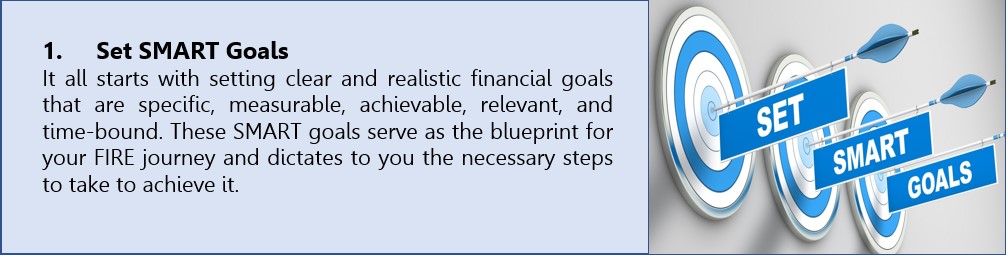
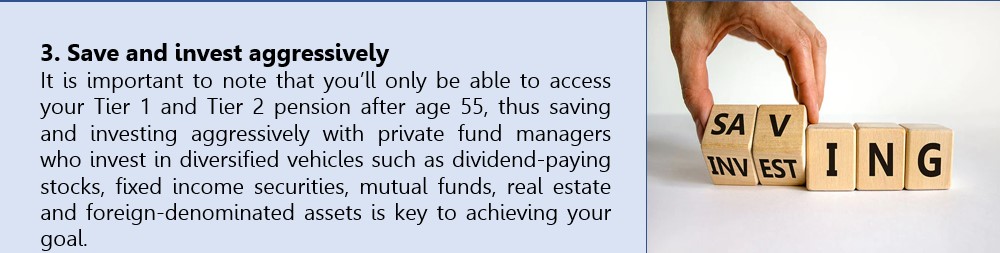
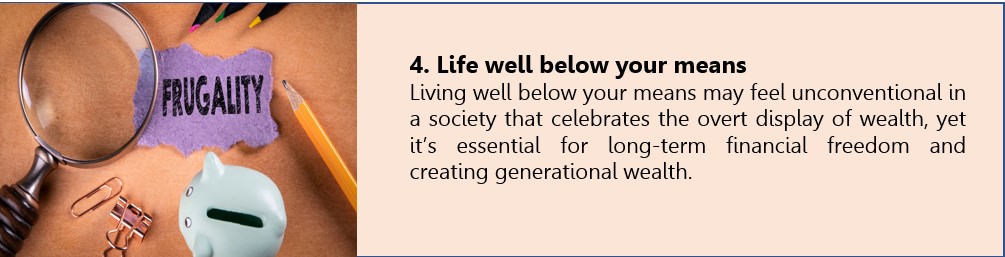
Despite the obstacles, implementing the strategies below with intentionality and discipline can enable you to achieve your desired retirement goals.


Ultimately, while the FIRE movement may look different in Ghana than in the U.S. or Europe, its core promise of individual autonomy and fulfillment is just as relevant. With courage, community, and consistency, early retirement is not a far-fetched dream, but a realistic goal that can be achieved right here in Ghana.
—————————————————————————————————————————————————————————————-
The information contained in this blog is being provided for educational purposes only and does not constitute a recommendation from any Bora Capital Advisors entity to the recipient. Bora Capital Advisors is not providing any financial, economic, legal, investment, accounting, or tax advice through this blog to its recipient. This report reflects the views and opinions of Bora Capital Advisors Ltd, and is provided for information purposes only. Although the information provided in the market review and outlook section is, to the best of our knowledge and belief correct, Bora Capital Advisors Ltd, its directors, employees and related parties accept no liability or responsibility for any loss, damage, claim or expense suffered or incurred by any party as a result of reliance on the information provided and opinions expressed in this report, except as required by law. The portfolio performance data represented in this report represents past performance and does not guarantee future performance or results.